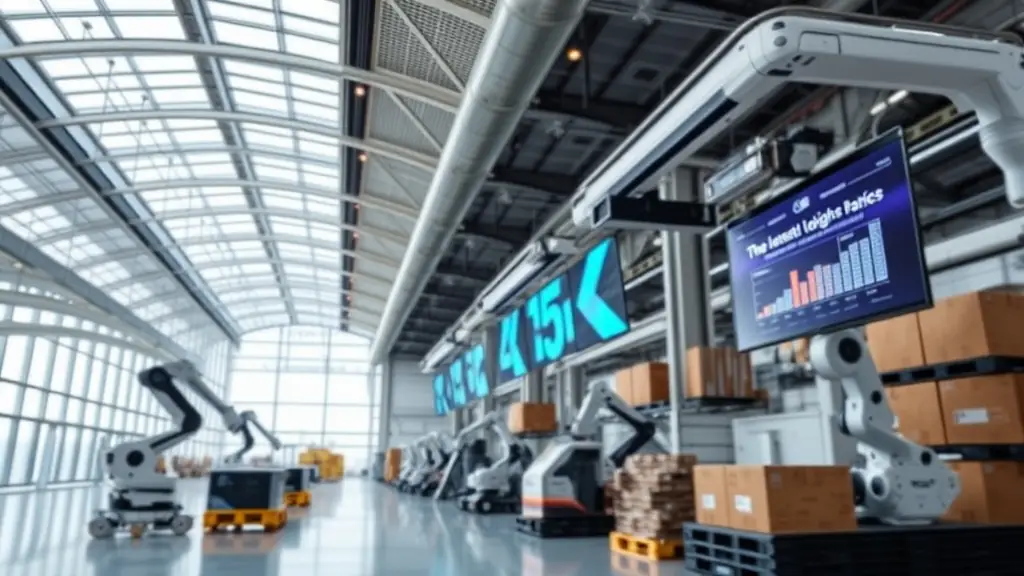
In recent years, the logistics sector has witnessed a significant transformation driven by technological advancements. Companies are increasingly adopting innovative solutions such as automation, artificial intelligence, and data analytics to streamline their operations. These technologies not only enhance efficiency but also improve accuracy in supply chain management. As a result, businesses can respond more swiftly to market demands and customer needs.
Moreover, the integration of smart technologies allows for real-time tracking and monitoring of shipments. This transparency fosters trust between logistics providers and their clients, as stakeholders can access up-to-date information about their goods. Additionally, innovations like blockchain technology are being explored to enhance security and traceability in logistics transactions. The future of logistics is undoubtedly intertwined with these technological advancements, promising a more agile and responsive industry.
However, embracing innovation also comes with challenges. Companies must invest in training their workforce to adapt to new technologies and processes. Furthermore, the initial costs of implementing these innovations can be substantial, particularly for smaller businesses. Nevertheless, the long-term benefits of adopting innovative practices far outweigh the challenges, making it essential for logistics companies to stay ahead of the curve.